Biscoff Cake Recipe
Introduction
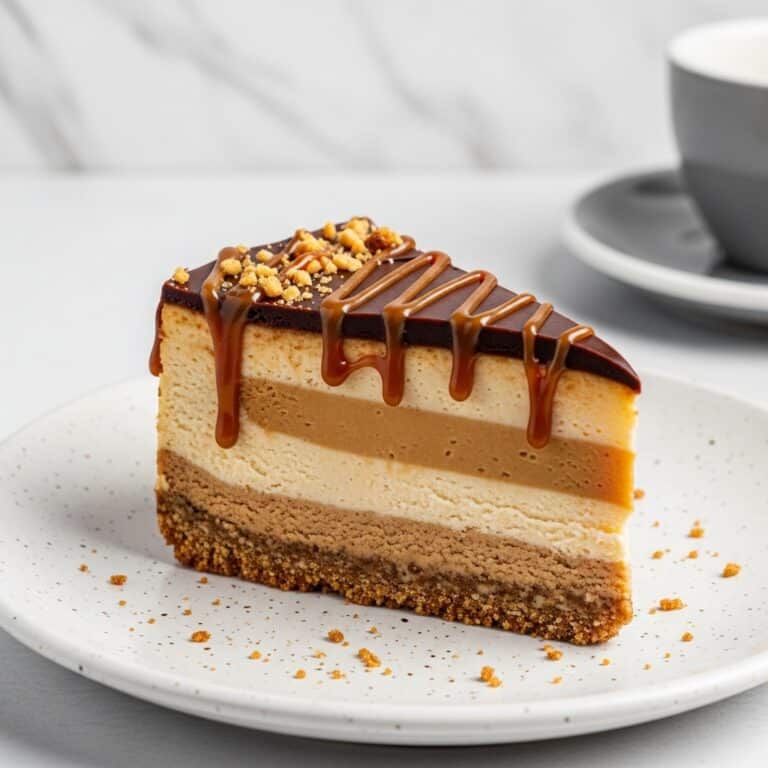
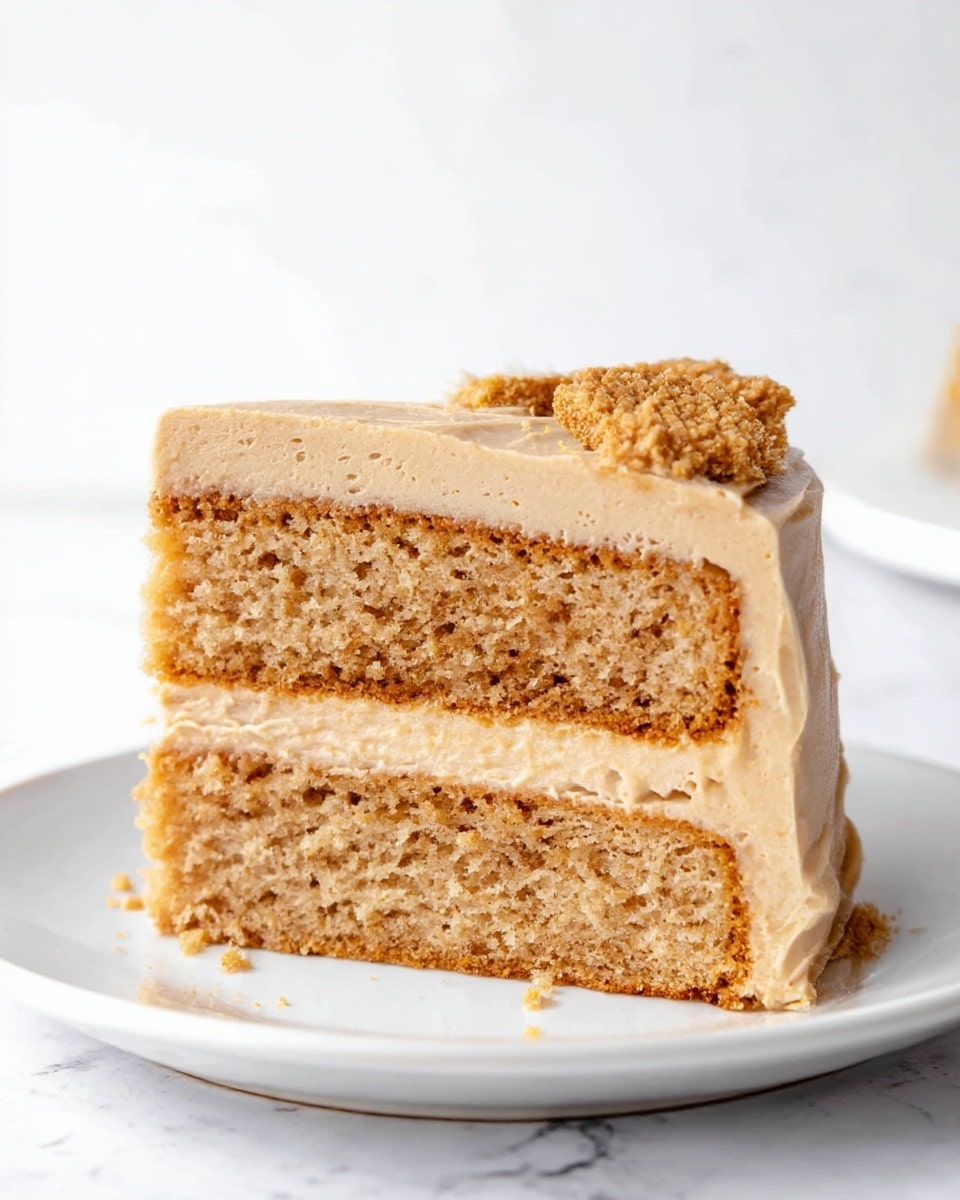
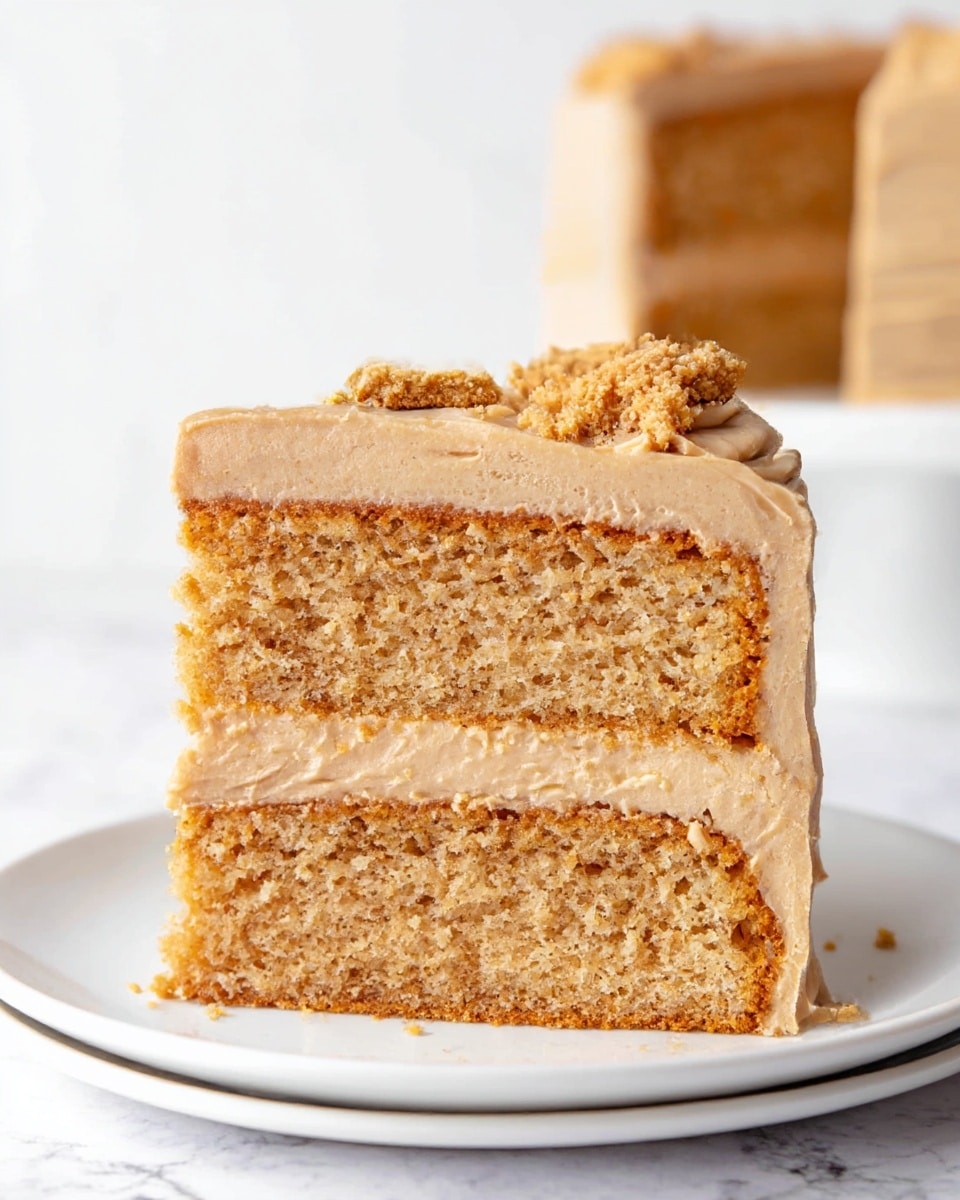
Biscoff Cake is a delightful treat that combines the rich, caramelized flavor of Biscoff spread with a moist, tender crumb. This recipe features layers of spiced Biscoff frosting and a crunchy cookie crumb topping, perfect for any special occasion or cozy dessert.
Ingredients
- 2 1/2 cups all-purpose flour (312 grams)
- 1 1/2 teaspoons baking powder
- 1/2 teaspoon baking soda
- 1/2 teaspoon salt
- 1/2 cup unsalted butter (112 grams), softened
- 1/2 cup brown sugar (105 grams), light
- 3/4 cup granulated sugar (150 grams), caster works
- 2/3 cup Biscoff spread
- 1/2 cup vegetable oil (120 ml) or canola oil
- 2 teaspoons vanilla extract
- 3 large eggs, room temperature
- 1 1/4 cup buttermilk (300 ml), room temperature
- 1 cup unsalted butter (226 grams), softened (for frosting)
- 2 ounces cream cheese (56 grams), full-fat (or substitute with extra 1/4 cup butter)
- 3/4 cup Biscoff cookie butter
- 1/2 teaspoon cinnamon
- 1/4 teaspoon salt (omit if using salted butter)
- 1 teaspoon vanilla extract (for frosting)
- 2 1/2 – 3 cups powdered sugar (275-330 grams)
- 1-2 tablespoons whipping cream or milk
- 1/3 cup Biscoff spread (for assembling)
- 4-6 crushed Lotus cookies (for garnish)
Instructions
- Step 1: Preheat the oven to 350°F (180°C). Line the bottom of two 8-inch (20 cm) round cake pans with parchment paper and lightly grease the sides.
- Step 2: In a medium bowl, whisk together the flour, baking powder, baking soda, and salt.
- Step 3: In a large bowl, beat the softened butter, brown sugar, granulated sugar, and Biscoff spread together until smooth and no lumps remain.
- Step 4: Beat in the vegetable oil and vanilla extract until combined.
- Step 5: Add the eggs one at a time, mixing well after each addition.
- Step 6: Using a whisk, alternately add the dry ingredients and buttermilk to the butter mixture in three parts—start and end with the dry ingredients. Whisk until just combined without lumps.
- Step 7: Divide the batter evenly between the prepared pans and smooth the tops.
- Step 8: Bake in the center of the oven for 35–40 minutes. Cakes are done when edges pull away from the pans and a toothpick inserted in the center comes out clean.
- Step 9: Let the cakes cool in the pans for at least 15 minutes before carefully removing them onto a wire rack to cool completely. Handle gently as the cakes are delicate.
- Step 10: For the frosting, beat the softened butter in a large bowl until creamy. Add the cream cheese and Biscoff cookie butter and beat until smooth.
- Step 11: Gradually add 2 cups powdered sugar, vanilla extract, cinnamon, and salt. Start mixing on low speed and increase to medium until combined.
- Step 12: Add the remaining powdered sugar little by little, alternating with tablespoons of whipping cream until the frosting reaches the desired sweetness and consistency.
- Step 13: Warm the 1/3 cup Biscoff spread in a small bowl in the microwave for 30–45 seconds on medium power, then stir and set aside (it should be warm, not hot).
- Step 14: If cake tops are domed, gently level them with a serrated knife. Place one cake layer on your serving plate and spread a thin layer of frosting on top.
- Step 15: Fill a piping bag with 1/3 to 1/2 of the frosting and pipe a border around the edge, or alternatively, spread a thick band of frosting around the edges.
- Step 16: Spread the warmed Biscoff over the center inside the frosting border and sprinkle with crushed Lotus cookies.
- Step 17: Top with the second cake layer. Apply a thin crumb coat of frosting to the sides and chill the cake in the fridge for about 20 minutes.
- Step 18: Remove from the fridge and finish frosting the sides and top with decorative swirls. Scatter additional crushed cookies on top if desired.
Tips & Variations
- Use room temperature ingredients to ensure a smooth batter and even baking.
- Substitute cream cheese with extra butter in frosting for a richer, more buttery flavor.
- For extra crunch, add chopped Lotus cookies between the layers as well as on top.
- Try swapping buttermilk with plain yogurt thinned with milk if needed.
Storage
Store the cake in an airtight container or cover with plastic wrap in the refrigerator for up to 4 days. Bring to room temperature before serving for best flavor and texture. You can also freeze the unfrosted cake layers wrapped tightly in plastic wrap and foil for up to 2 months; thaw in the refrigerator overnight before frosting.
How to Serve
Serve this delicious recipe with your favorite sides.
FAQs
Can I use Biscoff spread alternatives in this cake?
Yes, you can substitute with other cookie butter spreads, but the unique caramel flavor of Biscoff is a key characteristic of this cake. Adjust sweetness as needed.
How do I prevent the cake from drying out?
Be careful not to overbake; check the cake a few minutes before the minimum baking time. Also, keep it well covered or wrapped when storing to retain moisture.
Print
Biscoff Cake Recipe
- Total Time: 1 hour 10 minutes
- Yield: 12 servings 1x
Description
This Biscoff Cake is a delightful, layered dessert featuring moist vanilla cake layers infused with Biscoff spread, topped with a rich and creamy Biscoff cream cheese frosting, and finished with crushed Lotus cookies for a crunchy texture. Perfectly balanced in sweetness with a hint of cinnamon, this cake is an indulgent treat for any special occasion or to satisfy your sweet tooth.
Ingredients
Cake
- 2 1/2 cups all-purpose flour (312 grams)
- 1 1/2 teaspoons baking powder
- 1/2 teaspoon baking soda
- 1/2 teaspoon salt
- 1/2 cup unsalted butter (112 grams), softened
- 1/2 cup brown sugar (105 grams), light
- 3/4 cup granulated sugar (150 grams)
- 2/3 cup Biscoff spread
- 1/2 cup vegetable oil (120 ml)
- 2 teaspoons vanilla extract
- 3 large eggs, room temperature
- 1 1/4 cup buttermilk (300 ml), room temperature
Frosting
- 1 cup unsalted butter (226 grams), softened
- 2 ounces cream cheese (56 grams), full-fat
- 3/4 cup Biscoff cookie butter
- 1/2 teaspoon cinnamon
- 1/4 teaspoon salt (omit if using salted butter)
- 1 teaspoon vanilla extract
- 2 1/2 – 3 cups powdered sugar (275–330 grams)
- 1–2 tablespoons whipping cream or milk
Decoration
- 1/3 cup Biscoff spread
- 4–6 crushed Lotus cookies
Instructions
- Preheat Oven and Prepare Pans: Preheat your oven to 350°F (180°C). Line the bottom of two 8-inch (20 cm) round cake pans (with 2-inch sides) with parchment paper and lightly grease the sides to ensure an easy release.
- Mix Dry Ingredients: In a medium bowl, whisk together the all-purpose flour, baking powder, baking soda, and salt thoroughly.
- Cream Butter and Sugars: In a large mixing bowl, beat the softened butter, brown sugar, granulated sugar, and Biscoff spread until the mixture is smooth and there are no lumps of butter or sugar remaining.
- Add Oil and Vanilla: Beat in the vegetable oil and vanilla extract to combine well with the butter mixture.
- Incorporate Eggs: Add the eggs one at a time, beating well between each addition to ensure a smooth batter.
- Alternate Dry Ingredients and Buttermilk: Using a wire whisk, add about one-third of the dry ingredients to the wet mixture, then whisk in half of the buttermilk. Repeat by adding the next third of dry ingredients, the remaining buttermilk, and then the final third of dry ingredients. Mix just until no dry ingredients remain; avoid overmixing.
- Divide Batter and Bake: Evenly pour the batter into the two prepared pans. Bake in the center of the preheated oven for 35-40 minutes. The cake is done when the edges start pulling away from the pans and a toothpick inserted in the center comes out clean.
- Cool Cakes: Allow the cakes to cool in their pans for at least 15 minutes. Carefully loosen the edges and remove the cakes onto a wire rack to cool completely, handling gently as the cakes are delicate.
- Prepare Frosting: In a large bowl, beat the softened butter until fluffy. Add the cream cheese and Biscoff spread and beat until smooth.
- Add Spices and Sugar: Add 2 cups of powdered sugar, vanilla extract, cinnamon, and salt. Start mixing on low speed and gradually increase to medium until combined.
- Adjust Frosting Consistency: Gradually add the remaining powdered sugar alternated with tablespoons of whipping cream or milk until the frosting reaches desired sweetness and spreadable thickness.
- Warm Biscoff for Decoration: Place 1/3 cup Biscoff spread in a small bowl and microwave on medium power for 30-45 seconds. Stir well; it should be warm but not hot. Set aside.
- Level Cake Layers: If the cooled cake layers have domed tops, gently level them with a serrated knife to create a flat surface for stacking.
- Assemble Cake: Place one cake layer on your serving plate. Spread a thin layer of frosting on top, then fill a piping bag with about 1/3 to 1/2 of the frosting and pipe around the edges or alternatively apply a thick band of frosting around the edges.
- Add Biscoff Layer and Cookie Crumbs: Spread the warmed Biscoff evenly on top of the frosting layer. Sprinkle crushed Lotus cookies over the Biscoff spread.
- Add Top Layer and Chill: Place the second cake layer on top. Apply a thin layer of frosting around the sides to crumb-coat the cake, then refrigerate for about 20 minutes to set the crumb coat.
- Final Frosting and Decoration: Remove the cake from the fridge and frost the sides and top with the remaining frosting, creating decorative swirls if desired. Optionally, decorate with more crushed Lotus cookies on top.
Notes
- Ensure all wet ingredients like eggs and buttermilk are at room temperature for the best cake texture and even baking.
- Be gentle when handling the cake layers since they are delicate; cooling in pans helps maintain structure.
- Adjust the amount of powdered sugar in the frosting based on your preferred sweetness and consistency.
- Crushing Lotus cookies fresh ensures better texture and flavor contrast in the cake.
- If you do not have cream cheese, substitute with an extra 1/4 cup (56 grams) softened butter in the frosting.
- Prep Time: 25 minutes
- Cook Time: 40 minutes
- Category: Cake
- Method: Baking
- Cuisine: American
Keywords: Biscoff cake, Lotus cookie butter cake, cream cheese frosting, layered cake, dessert, baked cake